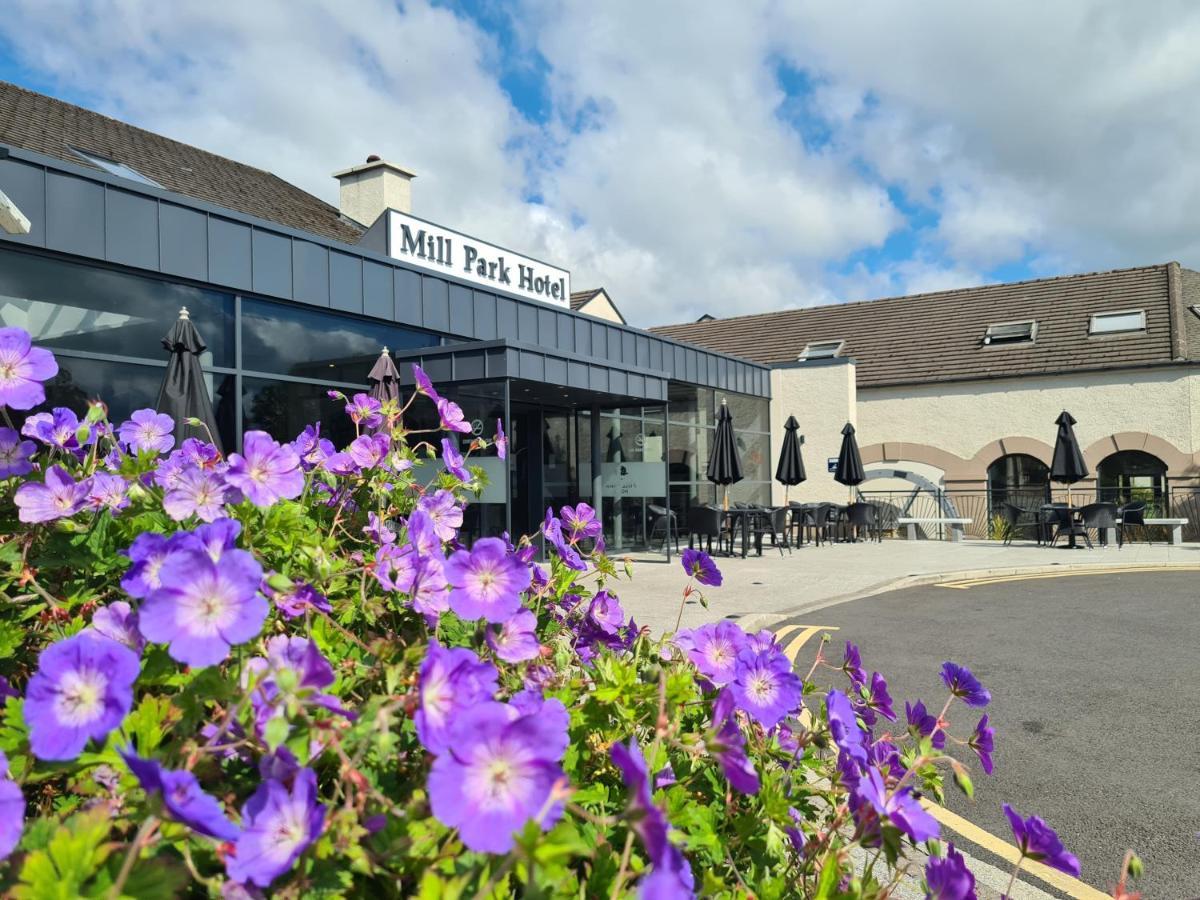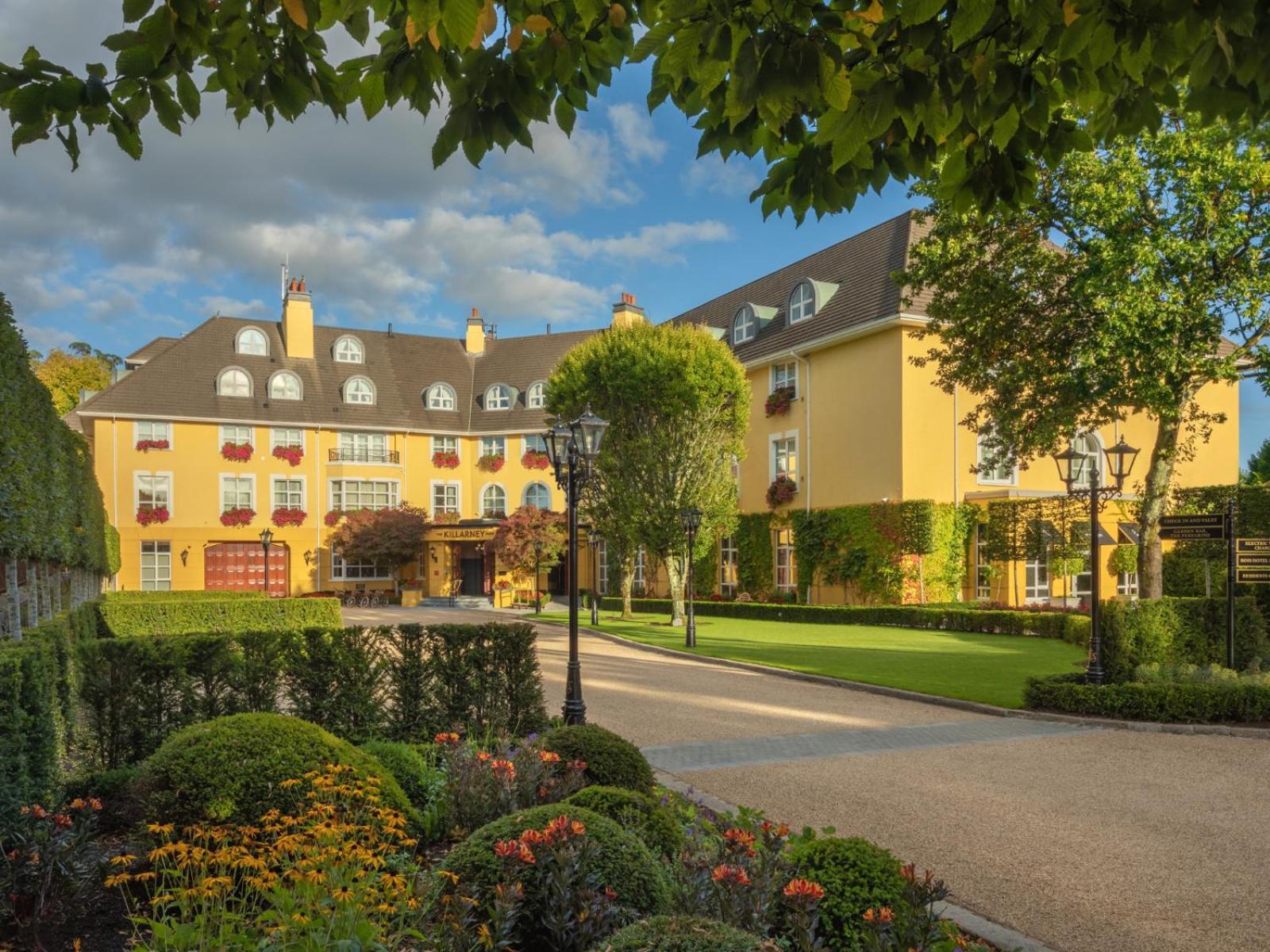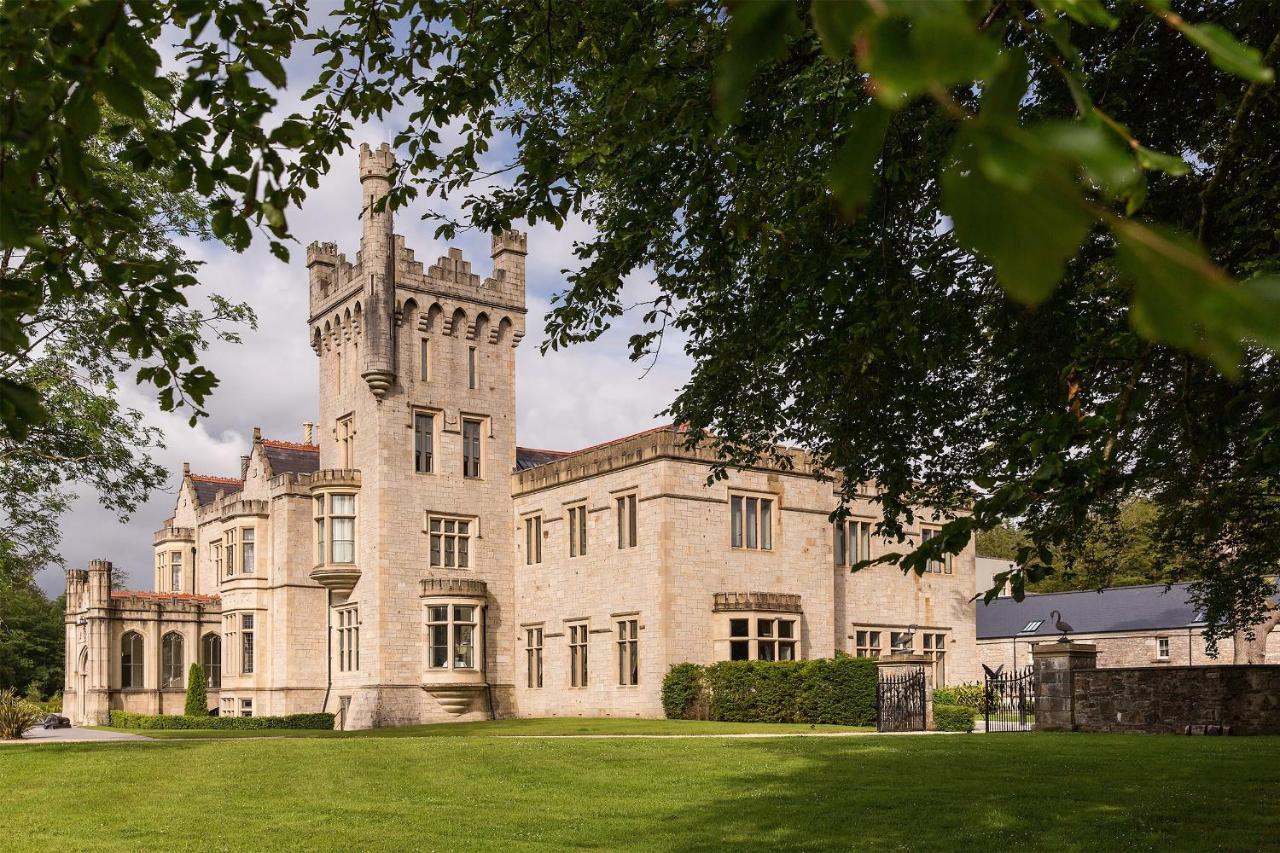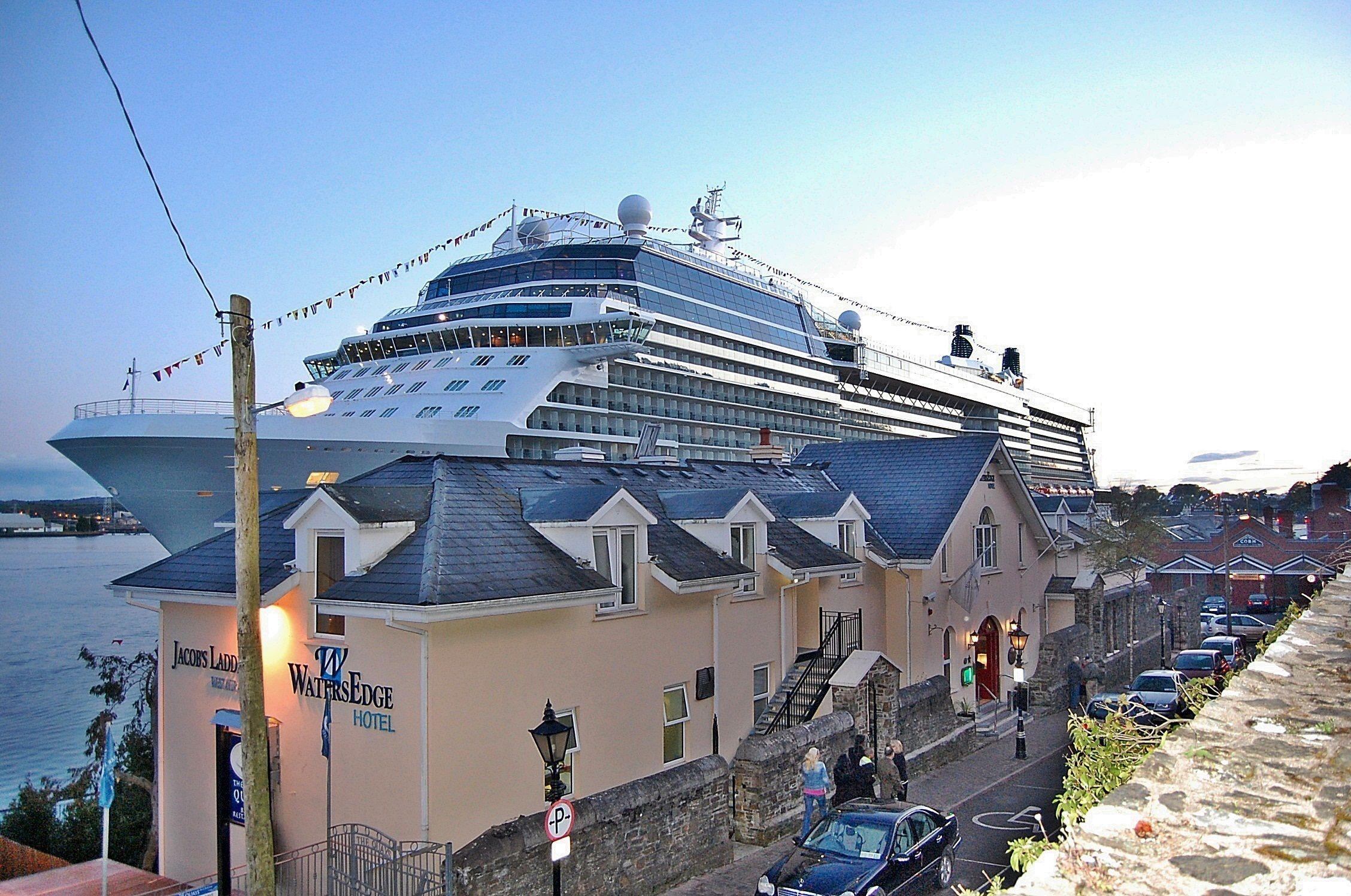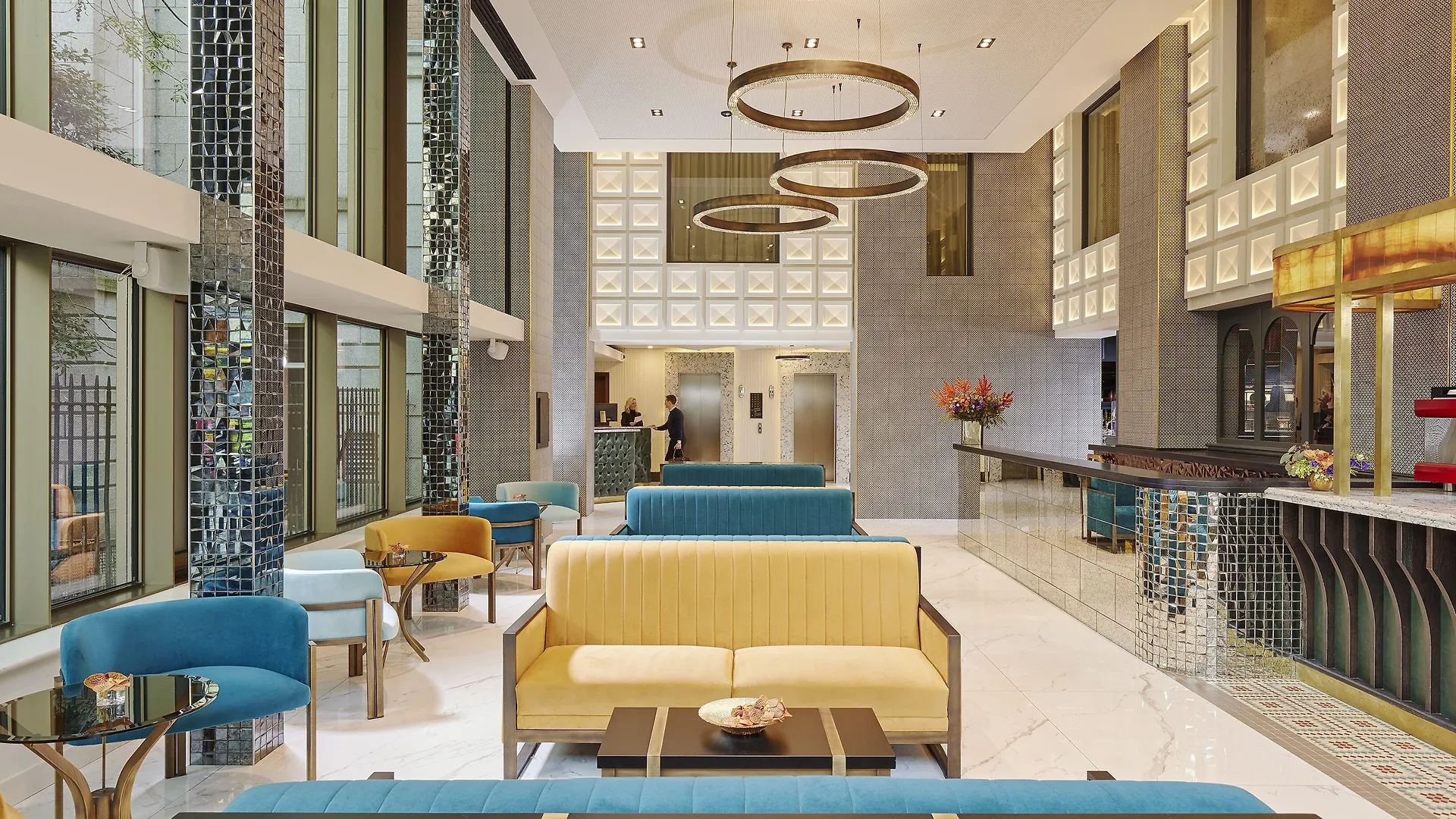
Ireland rewards travellers who choose their base carefully. Whether you're tracing the Wild Atlantic Way, exploring medieval city centres, or simply looking for a well-placed hotel with genuine character, the properties in this guide cover the country's most compelling destinations - Tralee, Cork, Kilkenny, Dublin, and Killarney - each with distinct advantages depending on your travel priorities.
What It's Like Staying in Ireland
Ireland is compact enough to cover multiple regions in a single trip, yet varied enough that choosing the wrong base costs you hours on the road. The country splits neatly between the urban east - Dublin, Cork, Kilkenny - and the dramatic west, where the Ring of Kerry, the Dingle Peninsula, and the Cliffs of Moher define the landscape. Summer crowds peak sharply in July and August, especially along the Wild Atlantic Way, where coastal towns fill quickly. Outside those months, the same routes feel almost private. Staying in Ireland works best when you anchor in one region rather than trying to cross the island daily - distances look short on a map, but single-lane roads in rural Kerry or Connacht add significant travel time.
Pros:
- Concentrated historic sites in cities like Kilkenny and Dublin mean you can cover major landmarks on foot
- Regional airports in Cork and Kerry reduce dependence on Dublin for west-coast itineraries
- Rainfall is heaviest on the west coast, but indoor options - distilleries, medieval castles, spa hotels - make wet days genuinely enjoyable
Cons:
- Rural driving on narrow roads adds around 40% more travel time than map distances suggest
- Public transport outside Dublin and Cork is limited, making a car essential for most regional stays
- Coastal accommodation in peak season books out weeks in advance, narrowing last-minute options considerably
Why Choose a Hotel in Ireland
Hotels in Ireland range from Georgian townhouse conversions in city centres to purpose-built resort properties near national parks, and the category covers a broader spectrum of quality than in many European countries. Unlike self-catering cottages - the default choice for rural Ireland - hotels give you immediate access to bar meals, live traditional music, and local knowledge from front desk staff, which matters when you're navigating an unfamiliar county. Four-star city hotels in Cork and Kilkenny typically run around €130-€160 per night mid-week in shoulder season, while five-star properties in Killarney command significantly more but include amenities like spas and indoor pools that justify the premium for longer stays. Trade-offs are real: hotels in historic town centres can have compact rooms due to listed building constraints, and parking in Cork or Dublin city-centre properties often means a nearby public car park rather than on-site spaces.
Main advantages of hotels in Ireland:
- Bar and restaurant access within the property means you're not dependent on finding dinner in unfamiliar towns after dark
- Family-run hotels, particularly outside Dublin, offer a level of local engagement that chain properties rarely match
- Hotel breakfasts in Ireland are substantive - full Irish fry-ups are standard - making them a practical meal-cost offset
Main trade-offs:
- City-centre locations come with weekend night noise, particularly near pub districts in Cork and Kilkenny
- Rooms in converted historic buildings can be irregularly shaped or have lower ceilings than modern builds
- Parking at urban hotels is rarely free and adds a daily cost that self-catering options in rural areas avoid entirely
Practical Booking & Area Strategy for Ireland
Dublin is the obvious entry point, but it's also the most expensive base, and it sits on the wrong side of the island if the Wild Atlantic Way is your goal. Cork functions as a far better hub for southwest Ireland - it has its own international airport, direct rail links to Killarney, and enough city-centre culture (English Market, St. Fin Barre's Cathedral, live music on Oliver Plunkett Street) to fill two or three days without moving. Kilkenny is the strongest single-city argument for the southeast: the medieval mile between Kilkenny Castle and St. Canice's Cathedral is walkable in an afternoon, and it sits roughly equidistant between Dublin and Waterford for travellers doing a coast-to-city loop. For Kerry specifically - Killarney, the Ring of Kerry, the Gap of Dunloe - staying in Killarney town is tactically sound, as most scenic drives begin and end there, and the train from Cork takes under two hours. Book any west-coast or Kerry property at least 6 weeks ahead for July and August; shoulder-season bookings in March-May or September-October are far more flexible and typically 25% cheaper.
Hotels in Dublin & Southeast Ireland
Dublin and the medieval southeast - anchored by Kilkenny - offer the densest concentration of historic landmarks, walkable city centres, and well-established hotel infrastructure in the country.
- Show on map
Best price guarantee
-
2. Langtons Hotel Kilkenny
Show on map


 Check-infrom 16:00 until 23:00Check-outfrom 08:00 until 12:00
Just a few rooms left at the best rate!
from€ 157
Hotels in Cork, Kerry & the Southwest
The southwest corridor - Cork city through to Killarney and the Kerry coast - is Ireland's most scenically concentrated region, and the hotels here reflect the range from urban business-ready properties to full-service resort stays inside the national park gateway.
-
3. Residence Inn By Marriott Cork
Show on map


 Check-infrom 15:00 until 23:59Check-outuntil 12:00
Just a few rooms left at the best rate!
from€ 205
-
4. Grand Hotel Tralee
Show on map


 Check-infrom 15:00 until 23:00Check-outfrom 07:00 until 11:00
Hurry – almost gone at this price!
from€ 74
-
5. The Killarney Park
Show on map


 Check-infrom 15:00 until 23:59Check-outfrom 07:00 until 12:00
Rooms filling fast – secure the best rate!
from€ 718
Smart Travel & Timing Advice for Ireland
The question of when to visit Ireland has a more tactical answer than most guides suggest. June and September are the strongest months for a balance of reasonable weather, open attractions, and manageable crowds - July and August push hotel rates up sharply in Kerry and the Wild Atlantic Way corridor, and coastal towns like Dingle and Kenmare book out entirely. For city-focused stays in Dublin, Cork, or Kilkenny, shoulder season (March-May, October) offers hotel rates that can be around 25% lower than peak summer, with no meaningful reduction in what's open or accessible. A minimum of three nights in any single base is worth planning for - one night is rarely enough to account for travel recovery and still cover the region's key sites. For Killarney specifically, four nights allows a full Ring of Kerry drive, a Gap of Dunloe walk, and a day in the national park without feeling rushed. Book Kerry and west-coast properties at least 6 weeks in advance for summer; Dublin and Cork have enough hotel stock that last-minute bookings remain viable outside bank holiday weekends. St. Patrick's Day week in March creates a secondary spike across all cities - prices in Dublin particularly reflect this.