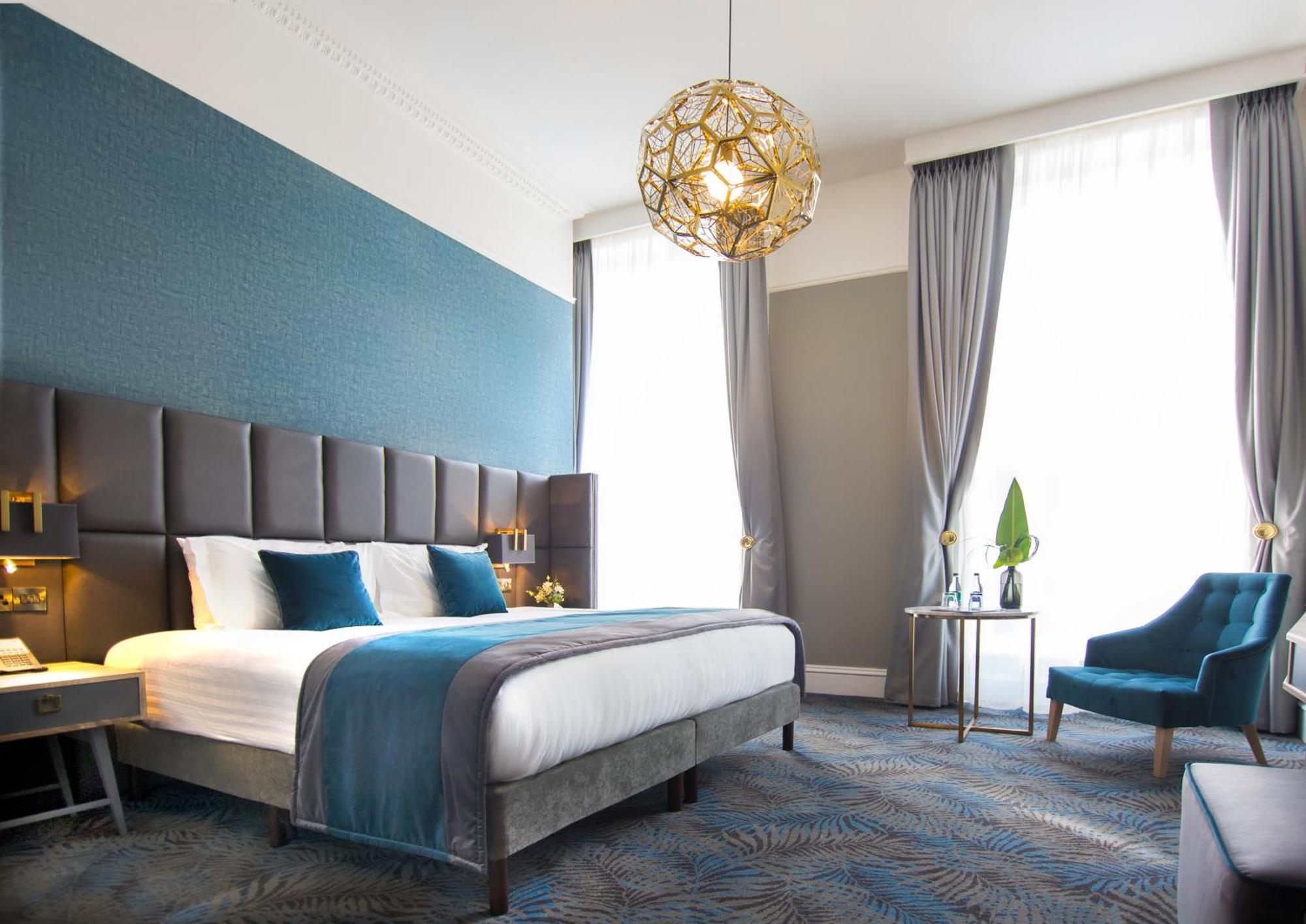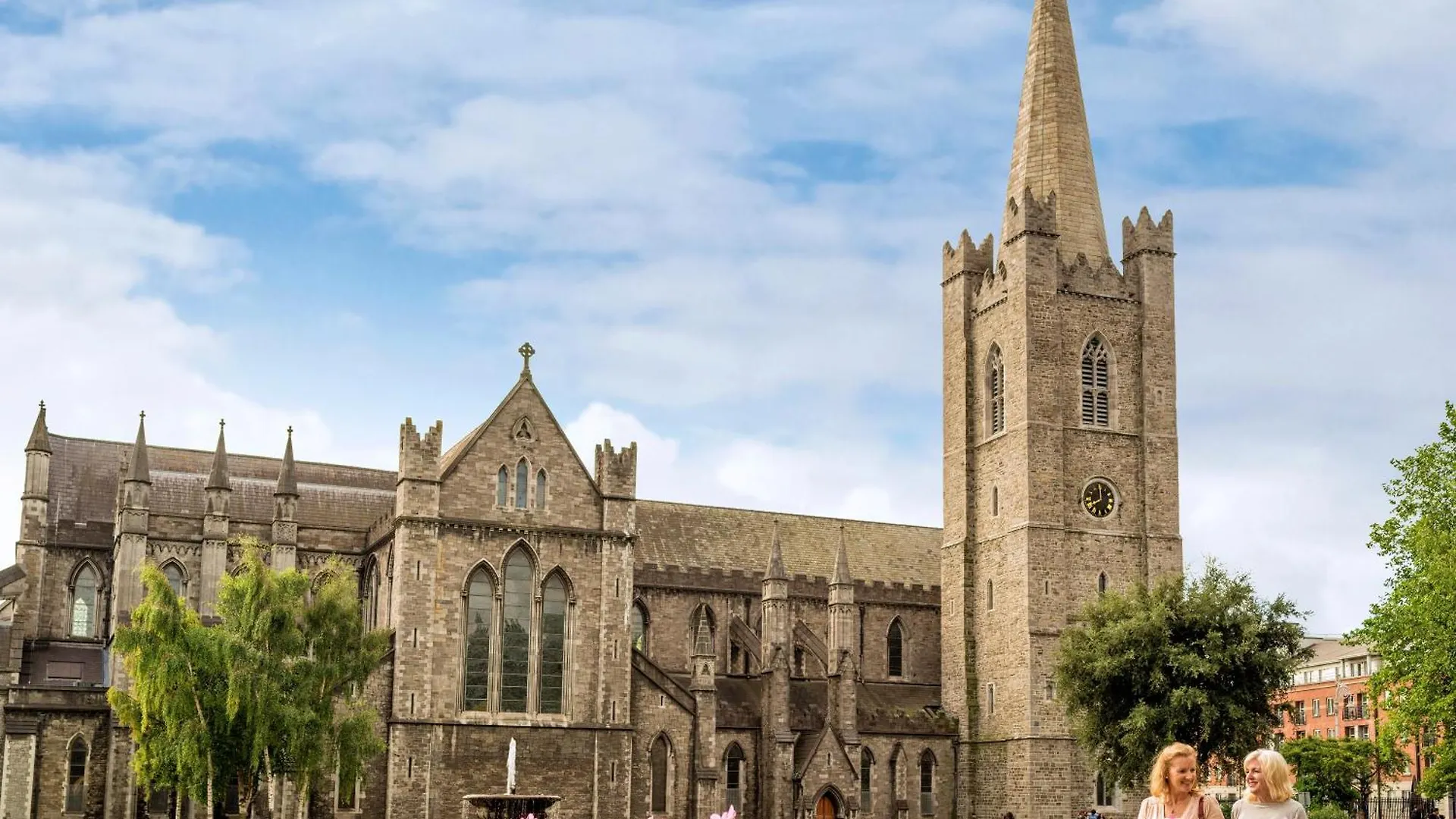
Dublin City Centre concentrates some of Ireland's most recognisable landmarks within a compact, walkable core - Trinity College, Grafton Street, Temple Bar, and St. Stephen's Green are all within 15 minutes on foot from most central hotels. For travellers drawn to buildings and atmospheres with real historical weight, this district delivers options that range from a grand 19th-century property on Lower Abbey Street to a Luas-connected modern hotel near the Georgian canals. This guide breaks down the four most relevant historical hotels in Dublin City Centre, comparing their locations, practical trade-offs, and what each one actually offers beyond a bed for the night.
What It's Like Staying in Dublin City Centre
Dublin City Centre is compact by European capital standards - the River Liffey divides the north and south sides, and most visitors cover both on foot within a single day. Nearly every major attraction sits within a 20-minute walk of the central hotel cluster, which means location choice here is more about street-level atmosphere than raw distance. Noise and foot traffic are genuine factors: streets around O'Connell Street and Temple Bar stay loud until after midnight on weekends, while areas south of the Liffey near the Georgian squares are noticeably quieter after 10pm.
The Luas tram and Dublin Bus network run frequently through the centre, but most guests staying here simply walk everywhere, which is both a strength and a reason to check your specific hotel's street before booking.
Pros:
- Walking access to Trinity College, St. Stephen's Green, and Temple Bar without needing transport
- High concentration of restaurants, pubs, and cultural venues within a few blocks in every direction
- Luas Green and Red Lines provide fast links to outer Dublin and the Docklands
Cons:
- Weekend night noise on O'Connell Street and Temple Bar corridors is significant and unavoidable
- Street parking is scarce and expensive - underground hotel parking becomes essential for drivers
- Dublin Airport is around 12 km away, meaning transfers take 30-45 minutes depending on traffic
Why Choose a Historical Hotel in Dublin City Centre
Historical hotels in Dublin City Centre are not a marketing label - many properties here occupy buildings with genuine 19th-century fabric, from mahogany-panelled bars to period facades on streets that predate Irish independence. What distinguishes them from generic city-centre hotels is the architectural and cultural context: staying in a building that has served guests since the Victorian era adds a layer of authenticity that modern-build hotels in the same postcode cannot replicate. Rates at historical hotels here typically run higher than budget chains, but the price difference often reflects real structural character - original ironwork, high ceilings, and preserved interiors - rather than just brand positioning.
Room sizes in older Dublin properties can be irregular; upper floors in Georgian or Victorian buildings sometimes have smaller rooms than ground-floor equivalents at the same rate. Around 90% of historical hotel guests in central Dublin report that atmosphere and location outweigh space trade-offs in their reviews, which reflects how central the cultural experience is to the stay.
Pros:
- Authentic period interiors and architectural detail not available in modern hotel stock
- Typically embedded in the most historically significant streets of the city centre
- On-site restaurants and bars often have their own heritage reputation beyond the hotel itself
Cons:
- Room sizes can vary significantly within the same property due to original building layout
- Some older buildings have limited lift access or narrower corridors affecting accessibility
- Premium rates during St. Patrick's Festival or rugby internationals can spike sharply above standard pricing
Practical Booking & Area Strategy for Dublin City Centre
Street positioning matters more than most booking platforms suggest. Hotels on or just off O'Connell Street and Lower Abbey Street sit on the north side of the Liffey, within a 5-minute walk of Connolly Station (direct trains to Belfast and the airport bus stop), which makes them strategically strong for early arrivals or late departures. South-side properties near St. Stephen's Green and Grafton Street are embedded in Dublin's most walkable retail and cultural corridor - the walk from The Green to Trinity College takes under 12 minutes at a relaxed pace, and Iveagh Gardens is steps away for a quieter outdoor break.
The Luas Green Line stop at Charlemont connects south-side hotels toward the canal quarter and Dundrum for shopping, while the Red Line from Abbey Street reaches Heuston Station and the west of the city. Book at least 8 weeks ahead for stays during St. Patrick's Festival (mid-March), the Six Nations rugby weekends, and the Dublin Theatre Festival in October - these periods see occupancy above 95% and rates that can double standard pricing. For off-peak visits between November and early February, last-minute rates are common and the city is significantly less crowded, making the historical districts around Grafton Street and O'Connell Street far easier to navigate. Things to do nearby include the Chester Beatty Library, Dublin Castle, the National Museum of Ireland, the Abbey Theatre, and guided walks along the Ha'Penny Bridge and the River Liffey quays - all reachable on foot from any hotel in this guide.
Best Value Stays
These hotels deliver strong central positioning and genuine historical character at rates that sit below the top-tier properties in this selection - both occupy buildings or streets with real Dublin heritage value.
-
1. Wynn'S Hotel
Show on map


 Check-infrom 15:00 until 23:59Check-outuntil 12:00
Just a few rooms left at the best rate!
from€ 73
-
2. Academy Plaza Hotel
Show on map


 Check-infrom 16:00 until 23:59Check-outuntil 11:00
Just a few rooms left at the best rate!
from€ 152
Best Premium Stays
These two properties offer enhanced facilities, stronger location positioning relative to Dublin's key southern landmarks, and a higher standard of room finish - reflected in their rates and guest review positioning.
-
3. The Green
Show on map


 Check-infrom 15:00 until 23:59Check-outfrom 07:00 until 11:00
Hurry – almost gone at this price!
from€ 80
-
4. Hilton Dublin
Show on map


 Check-infrom 16:00 until 23:59Check-outuntil 12:00
Rooms filling fast – secure the best rate!
from€ 156
Smart Travel & Timing Advice for Dublin City Centre
Mid-March is the single most challenging period to book historical hotels in Dublin City Centre - St. Patrick's Festival runs across multiple days and draws visitors from across Ireland and internationally, pushing occupancy to near-maximum and rates to their annual peak. The Six Nations rugby weekends in February and March follow the same pattern, particularly when Ireland plays at home in the Aviva Stadium, which is a 20-minute walk from the south-side hotels in this guide. October brings the Dublin Theatre Festival and Bram Stoker Festival, adding further pressure on central inventory during what is otherwise shoulder season.
For the best combination of availability and atmosphere, late April through early June and September offer mild weather, manageable crowds, and rates that are typically around 25% below peak. Book at least 6 weeks ahead for any weekend stay between March and October - historical hotels in the centre sell out faster than equivalent modern-build properties because supply is fixed and demand for heritage-character rooms consistently outpaces it. A minimum stay of 2 nights makes practical sense for Dublin City Centre: the city's walkable core takes at least a full day to cover properly, and most guests find 3 nights the realistic minimum for combining the main landmarks with an evening in Temple Bar and a day trip to Kilmainham or the Guinness Storehouse. Last-minute availability exists in January and early February, when the city quiets significantly and some historical hotels offer reduced rates to maintain occupancy.