NoMad - short for North of Madison Square Park - sits between 25th and 30th Streets, flanked by Fifth Avenue and Lexington Avenue. This compact Manhattan district has become one of the most strategically positioned areas to stay in New York City, offering walking access to the Empire State Building, Madison Square Garden, and the Flatiron Building while keeping hotel rates noticeably lower than Midtown East or the Upper East Side. This guide compares 11 four-star hotels in NoMad to help you decide which property matches your priorities, budget, and travel style.
What It's Like Staying In NoMad
NoMad occupies a rare middle ground in Manhattan - dense enough to feel like the center of everything, yet calm enough that sidewalk congestion rarely reaches Midtown levels after 9pm. Walking to the Empire State Building takes around 10 minutes from most NoMad hotels, and the 28th Street subway stations on both the N/R and 6 lines give you direct access to Midtown, Downtown, and Brooklyn without transferring. The neighborhood fills with office workers and lunch crowds on weekdays, but evenings shift toward hotel guests, restaurant-goers, and locals - a noticeably quieter rhythm than Times Square-adjacent areas.
Pros:
- Direct subway access via 28th St (N/R and 6 lines) places Midtown and Lower Manhattan within a few stops
- Hotel prices in NoMad run around 20% lower than comparable properties in Midtown East for equivalent star ratings
- Madison Square Park, the Flatiron Building, and multiple James Beard Award-winning restaurants are within a 10-minute walk
Cons:
- No direct subway access to JFK - you'll need a transfer at Atlantic Avenue or a cab from 28th Street
- Limited late-night food options compared to Hell's Kitchen or the East Village
- Some blocks east of Lexington Avenue feel transitional at night, particularly toward the Murray Hill border
Why Choose a 4-Star Hotel in NoMad
Four-star hotels in NoMad consistently deliver what full-service Midtown properties charge a premium for - rooftop bars, fitness centers, on-site dining, and designer interiors - without the inflated rack rates that come with a Times Square address. In this district, a four-star property typically means rooms averaging around 250 square feet, which is standard for Manhattan but smaller than equivalent-tier hotels in outer boroughs or Jersey City. The real advantage is amenity density: most four-star NoMad hotels pack rooftop access, concierge, and restaurant service into buildings that also sit within walking distance of major landmarks.
The category here skews toward lifestyle and boutique-influenced flags - Hyatt's Unbound Collection, IHG, and independent design hotels - rather than corporate business hotels, which means common areas tend to be more curated and lobby bars more functional. Valet parking runs around $70 per night at most NoMad four-star properties, so self-driving guests should factor that into budget calculations.
Pros:
- Rooftop bars and panoramic city views are standard at multiple four-star NoMad properties - not an upsell
- Historic Beaux-Arts and early 20th-century architecture gives several hotels genuine character without a boutique hotel price premium
- On-site dining ranges from Italian fine dining to neighborhood tapas bars, reducing the need to hunt for restaurants at peak hours
Cons:
- Room sizes are competitive for Manhattan but will feel compact to travelers accustomed to sunbelt or European four-star standards
- Valet-only parking at most properties makes driving guests entirely dependent on hotel pricing with no street alternative
- Seasonal rooftop bars close through winter months, removing one of the key selling points for November-February stays
Practical Booking & Area Strategy
The strongest micro-locations within NoMad sit between 28th and 30th Streets along Broadway and Sixth Avenue - these blocks put you equidistant from the N/R and 6 subway lines, with Madison Square Park directly to the east and the Herald Square shopping corridor a short walk north. Hotels on Madison Avenue itself offer a quieter stay with faster access to the 6 train at 33rd Street, while properties closer to Sixth Avenue give you faster pedestrian access to Penn Station and Midtown West. Book at least 6 weeks ahead for stays between September and November, when New York's shoulder season fills NoMad hotels fast due to corporate travel and the marathon weekend.
NoMad's main attractions - the Flatiron Building, Madison Square Park, and the Museum at FIT - are all walkable, and the neighborhood's restaurant corridor along Broadway and 28th Street includes some of the most reviewed dining in lower Midtown. Madison Square Garden is within a 10-minute walk from most NoMad hotels, making this district a logical base for anyone attending events there. For theater, a single N/R train ride reaches Times Square in under 10 minutes, so the distance is logistical rather than prohibitive.
Best Value 4-Star Stays in NoMad
These properties deliver strong amenity sets and genuine NoMad positioning at price points that consistently undercut comparable Midtown East options - practical choices when location matters more than prestige branding.
-
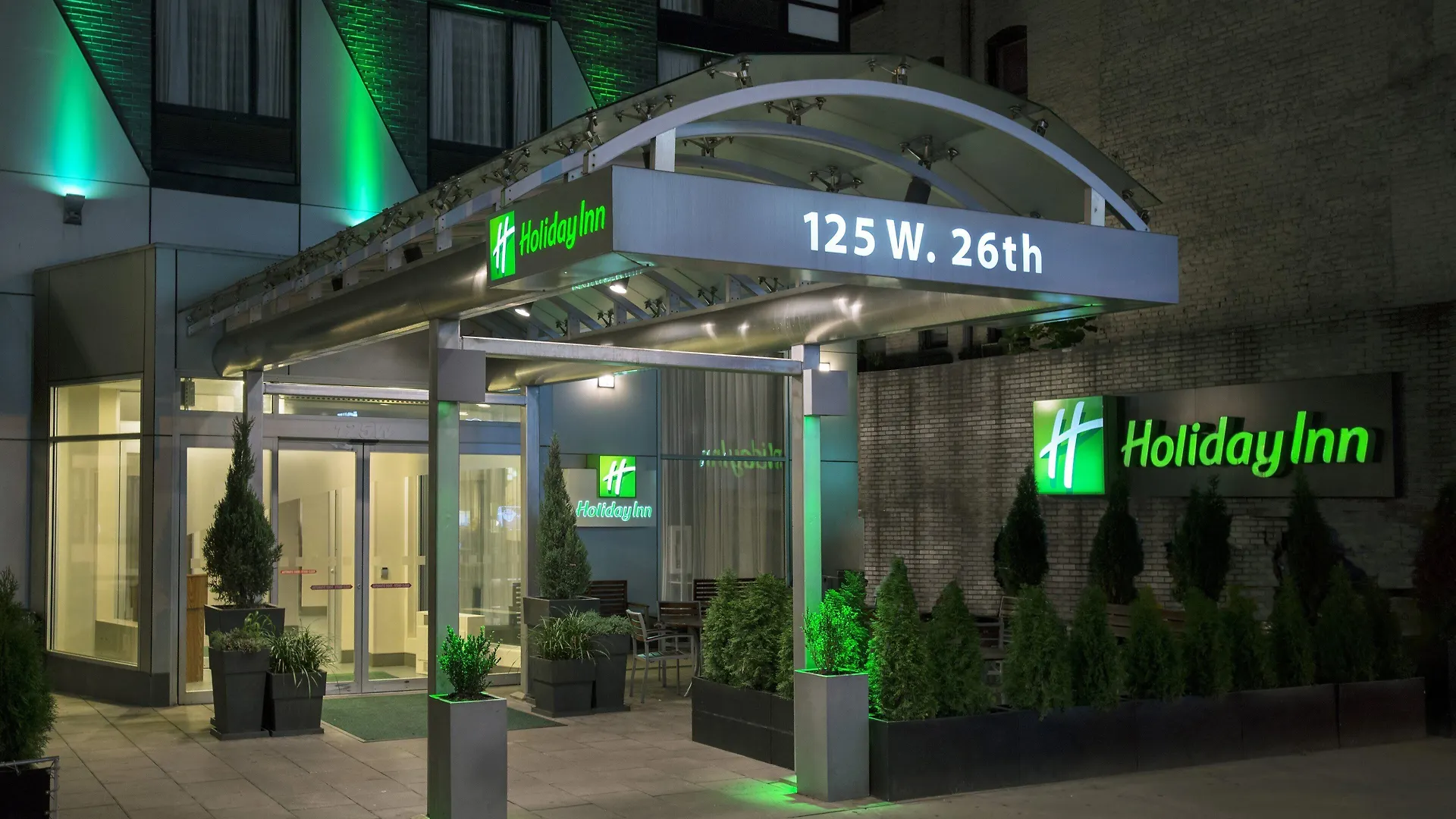
1. Holiday Inn Manhattan 6Th Ave - Chelsea By Ihg
Show on map


 Check-infrom 15:00 until 23:59Check-outuntil 11:00
Rooms filling fast – secure the best rate!
fromUS$ 70
-
2. Hotel 32 32
Show on map


 Check-infrom 15:00 until 23:59Check-outuntil 11:00
Just a few rooms left at the best rate!
fromUS$ 113
-
3. Hyatt Herald Square New York
Show on map


 Check-infrom 15:00 until 23:59Check-outuntil 12:00
Hurry – almost gone at this price!
fromUS$ 157
-
4. Martinique New York On Broadway, Curio Collection By Hilton
Show on map


 Check-infrom 16:00 until 23:59Check-outuntil 11:00
Rooms filling fast – secure the best rate!
fromUS$ 166
-
5. Park South Hotel, Part Of Jdv By Hyatt
Show on map


 Check-infrom 15:00 until 23:59Check-outuntil 12:00
Just a few rooms left at the best rate!
fromUS$ 182
-
6. Le Meridien New York, Fifth Avenue
Show on map


 Check-infrom 15:00 until 23:59Check-outuntil 12:00
Best price guarantee
fromUS$ 305
Best Premium 4-Star Stays in NoMad
These properties lead with design credentials, brand pedigree, or amenity depth that justifies a higher nightly rate - each offering something structurally different from the value tier above.
-
7. Virgin Hotels New York City
Show on map


 Check-infrom 15:00 until 23:59Check-outfrom 05:00 until 12:00
Hurry – almost gone at this price!
fromUS$ 319
-
8. Ace Hotel New York
Show on map


 Check-infrom 15:00 until 23:59Check-outuntil 12:00
Rooms filling fast – secure the best rate!
fromUS$ 313
-
9. Made Hotel
Show on map


 Check-infrom 15:00 until 23:59Check-outfrom 06:00 until 12:00
Hurry – almost gone at this price!
fromUS$ 287
-
10. Hotel Seville Nomad - The Unbound Collection By Hyatt
Show on map


 Check-infrom 16:00 until 23:59Check-outuntil 11:00
Just a few rooms left at the best rate!
fromUS$ 215
-
11. Hgu New York
Show on map


 Check-infrom 16:00 until 23:59Check-outuntil 11:00
Best price guarantee
fromUS$ 106
Smart Timing and Booking Advice for NoMad Hotels
New York City hotel pricing is demand-driven and shifts significantly by season. NoMad four-star rates tend to peak during September and October - when the UN General Assembly, New York Fashion Week, and the fall corporate travel cycle all overlap - and again in late December through New Year's Eve. Booking at least 6 weeks ahead of a fall stay is the clearest way to secure mid-tier pricing before dynamic rates escalate. January and February are the district's quietest months, with noticeably lower rack rates and easier last-minute availability, though several rooftop bars and seasonal amenities will be closed.
For most visitors, 3 nights provides enough time to use NoMad as a genuine base rather than just a sleep location - covering downtown, Midtown, and a day trip to Brooklyn without feeling rushed. The New York City Marathon weekend in early November fills NoMad hotels faster than almost any other single event due to the district's proximity to the finish line area, so early booking is essential if your dates overlap. Summer stays (June-August) bring tourist volume but also more hotel availability than fall, and rates dip noticeably in the first two weeks of January after New Year's demand collapses.