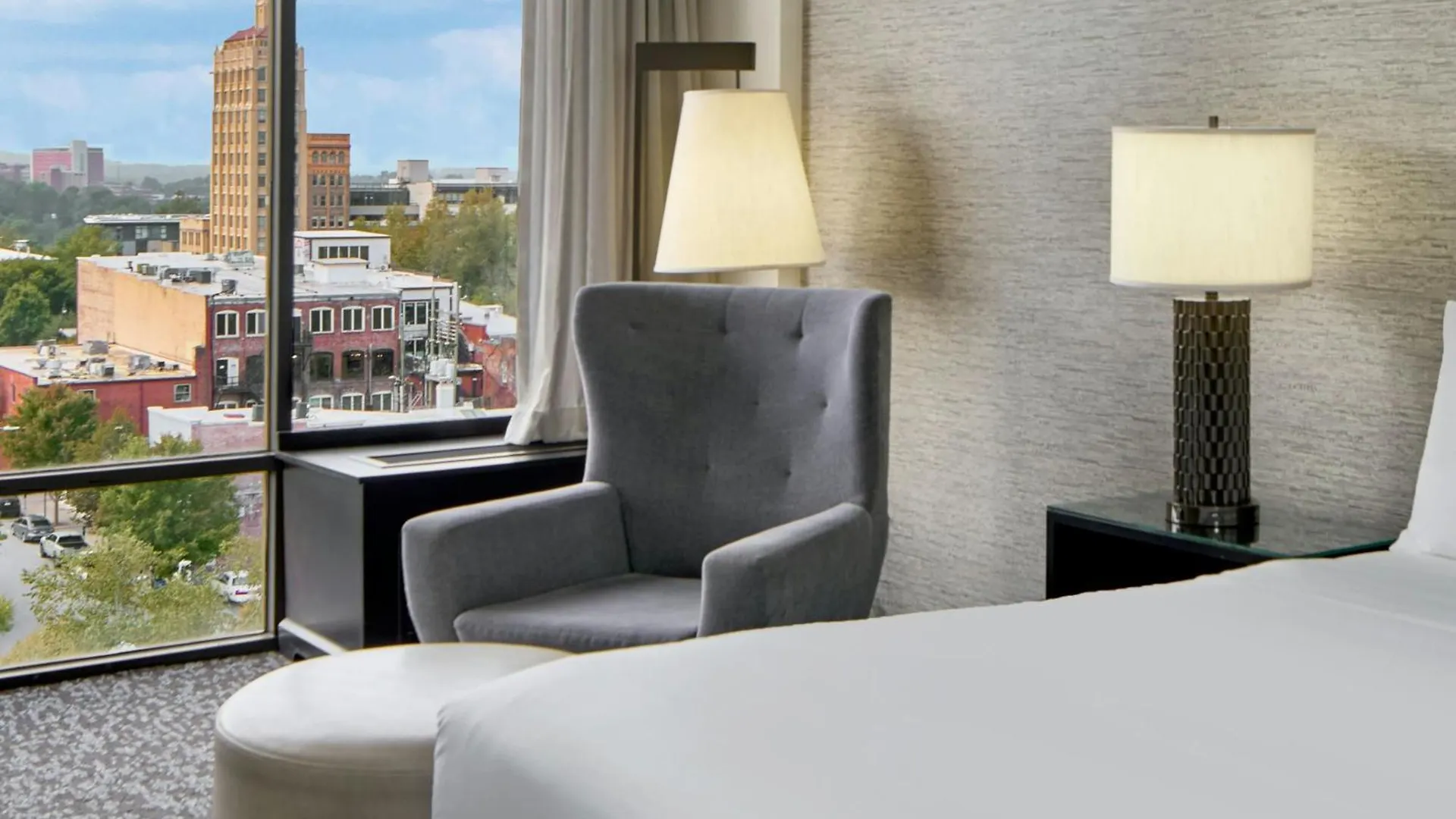
Grove Park is one of Asheville's most storied residential and cultural enclaves, sitting on the northern slope of Sunset Mountain and anchored by the iconic Omni Grove Park Inn. Staying in a centrally located hotel near Grove Park gives you quick access to both the arts district along Lexington Avenue and the Biltmore Estate to the south, without locking yourself into a single corner of the city. The two central hotels in this guide are positioned in downtown Asheville, placing Grove Park within a short drive while keeping Asheville's walkable core - restaurants, galleries, and live music venues - at your doorstep.
What It's Like Staying Near Grove Park, Asheville
The area surrounding Grove Park sits just north of downtown Asheville, a neighborhood defined by craftsman architecture, tree-lined streets, and a noticeably quieter pace than the Pack Square corridor. Downtown-based hotels are the most practical base for visitors targeting Grove Park, as the inn itself sits roughly 2 miles from the city center - reachable in around 8 minutes by car or rideshare. The district does not have a dedicated transit route with high frequency, so guests relying entirely on walking will find the uphill terrain to Grove Park more demanding than typical urban strolls.
Pros:
- Downtown positioning keeps you within walking distance of Asheville's restaurant row on Wall Street and the River Arts District shuttle
- Rideshare to the Omni Grove Park Inn takes under 10 minutes and costs a flat, predictable fare
- Central hotels place you equidistant between Grove Park and Biltmore Estate, maximizing day-trip flexibility
Cons:
- No hotel sits directly adjacent to Grove Park, so a car or rideshare is always required for that specific destination
- Downtown Asheville on weekend nights draws significant foot and bar traffic, which can affect noise levels near street-facing rooms
- Parking in the downtown core requires either paid garage access or on-site hotel parking, which adds to daily costs
Why Choose Central Hotels Near Grove Park
Central hotels in Asheville deliver something that fringe-area properties cannot: a single location that functions as a base for Grove Park, the Biltmore Estate, the Blue Ridge Parkway, and the downtown arts scene simultaneously. Rates at downtown 4-star hotels in Asheville typically run around 20% lower than booking a room at the Omni Grove Park Inn itself, while still offering full-service amenities including fitness centers, on-site dining, and reliable parking. The trade-off is the short drive rather than a walk to Grove Park, but that drive is compensated by immediate access to Asheville's densest concentration of independent restaurants and breweries.
Pros:
- Lower nightly rates than Grove Park's landmark hotel, with comparable or superior downtown dining access
- Central location reduces the need to move the car repeatedly throughout the day
- Both properties offer on-site restaurants, eliminating the need to drive for every meal
Cons:
- No mountain views from standard rooms - guests seeking Sunset Mountain vistas will need to be at the Grove Park Inn itself
- Downtown hotels operate in a commercial zone, so the neighborhood ambiance differs markedly from Grove Park's residential calm
- Peak-season occupancy in downtown Asheville can push rates upward sharply, narrowing the price advantage over lodge-style alternatives
Practical Booking & Area Strategy Near Grove Park
For the best positioning relative to Grove Park, prioritize hotels along Woodfin Street or College Street in downtown Asheville, as these place you on the northern edge of the downtown grid - shaving a full minute off the drive to the Macon Avenue approach of the Grove Park Inn. The Lexington Avenue corridor, roughly 5 minutes on foot from both featured hotels, is Asheville's independent retail and café strip and serves as a natural pedestrian route toward the Montford neighborhood, which borders the Grove Park area. For attractions close to Grove Park, the Botanical Gardens at Asheville (on W.T. Weaver Boulevard) and the Black Mountain College Museum are within a 10-minute drive, while the Blue Ridge Parkway entrance at Milepost 382 is under 15 minutes by car. Book at least 6 weeks ahead for stays during the Asheville Tourists baseball season, October foliage weekends, or any event at the Harrah's Cherokee Center, as downtown inventory tightens rapidly and rates spike noticeably during these windows.
Recommended Central Hotels Near Grove Park
The two hotels below cover the primary positioning options for travelers using downtown Asheville as a base for Grove Park. Both operate in the 4-star segment with full-service amenities, but they differ in atmosphere, room configuration, and dining style.
-
1. Renaissance Asheville Downtown Hotel
Show on map


 Check-infrom 16:00 until 23:59Check-outuntil 11:00
Just a few rooms left at the best rate!
fromUS$ 119
-
2. Hotel Indigo Asheville Downtown By Ihg
Show on map


 Check-infrom 16:00 until 23:59Check-outuntil 11:00
Hurry – almost gone at this price!
fromUS$ 142
Smart Timing & Booking Advice for Grove Park Area Stays
Asheville's peak demand window runs from mid-September through late October, when Blue Ridge Parkway foliage draws visitors from across the Southeast and downtown hotels regularly sell out days in advance. Rates during October foliage weekends can climb around 45% above the June baseline, so travelers with fixed itineraries should lock in reservations at least 8 weeks out. July and August bring steady summer crowds to both Grove Park and the Biltmore Estate, but midweek nights remain more available and moderately priced compared to weekends. The quietest window - and the best opportunity for flexible last-minute booking - runs from January through early March, when temperatures drop and visitor volume falls significantly, though the Omni Grove Park Inn's own programming often maintains local traffic even in winter. A minimum of 2 nights is practical for this area: one day for Grove Park and its surroundings, one day for the Biltmore Estate or a Blue Ridge Parkway drive, with downtown evenings filled by Asheville's independent dining and craft beer scene. Avoid booking non-refundable rates for October without checking the Asheville events calendar, as the LEAF Festival and other multi-day events create unpredictable last-minute demand spikes.