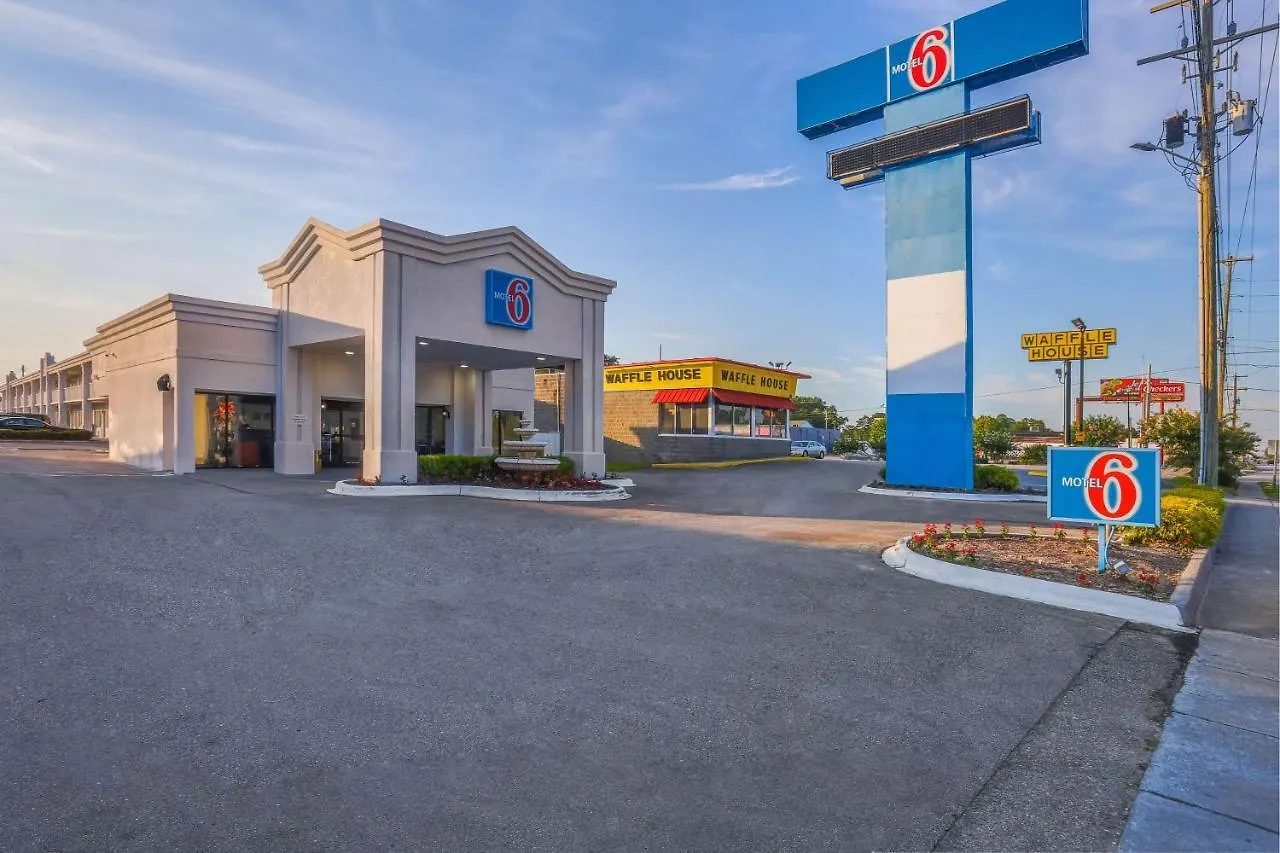
The American South spans an enormous geographic and cultural range - from the music-soaked streets of Memphis and Beale Street to the coastal marshes of Amelia Island, the NASCAR heartland around Concord, NC, and the military-adjacent towns of Jacksonville, NC. Choosing where to stay means navigating very different urban rhythms, price points, and access priorities depending on which part of the South you're heading to. This guide covers 14 hotels across the South, with honest, specific breakdowns to help you book with confidence.
What It's Like Staying in the American South
The South is not a single destination - it's a collection of distinct regions, each with its own pace. Cities like Atlanta and Memphis have dense urban cores with walkable districts, while towns like Lumberton, NC, South Boston, VA, or Union City, TN operate on a car-dependent rhythm where a vehicle is essentially mandatory. Traffic patterns vary dramatically: Atlanta's I-285 and I-75 corridors can add 45 minutes to what maps show as a 20-minute drive during peak hours, while smaller Southern towns like Longview, TX, or Albany, GA, move at a fraction of that intensity. Travelers who come for specific attractions - Charlotte Motor Speedway, Beale Street, Camp Lejeune, or Amelia Island's beaches - benefit most from staying close to their primary draw rather than optimizing for a city center.
Pros:
- Lower average hotel costs compared to Northeast and West Coast equivalents - many solid 3-star properties fall well under major metro averages
- Most Southern hotels outside Atlanta offer free parking, removing a daily cost that urban travelers often overlook
- Strong breakfast inclusion rates across mid-range brands - hot buffet breakfasts are common even at budget-tier properties
Cons:
- Car dependency is near-universal outside Atlanta and Memphis city centers - rideshare availability drops sharply in smaller markets after 10pm
- Summer heat (regularly above 95°F across much of the region) makes outdoor exploration uncomfortable midday, compressing sightseeing into morning and evening hours
- Hurricane season from June through November affects coastal areas like Amelia Island and the Jacksonville, NC vicinity, with real booking risk for late-summer travel
Why Choose a Hotel in the South Over Other Accommodation Types
Hotels in the South - particularly the branded mid-range properties that dominate the landscape - offer a consistency that vacation rentals in smaller Southern markets often can't match. In towns like Smithfield, NC, Lumberton, or South Boston, VA, the hotel infrastructure is built around road travelers, military families, and regional business visitors, meaning amenities like free parking, 24-hour front desks, and included breakfast are standard rather than premium add-ons. In smaller Southern markets, hotels frequently outperform rentals on value because the rental stock is thin and inconsistently maintained. At the higher end, Atlanta's hotel scene - anchored by properties like Nobu Hotel Atlanta - delivers a genuine urban luxury experience with rooftop pools, fine dining, and walkable Buckhead access that no rental product in the city replicates at a comparable price point. Expect to pay around 60% more per night at a 4- or 5-star Atlanta property versus a 3-star option in a secondary Southern city.
Pros:
- Branded hotels across the South carry reliable quality floors - a Marriott Fairfield or IHG Holiday Inn Express in a small Southern city performs predictably regardless of location
- Free breakfast inclusion at mid-range Southern hotels eliminates a daily meal cost that adds up quickly on multi-night stays
- Fitness centers and pools are near-universal even at 3-star level in this region - important given limited walkability in many towns
Cons:
- Many Southern hotels are located on highway-adjacent commercial strips - functional for drivers but offering zero atmosphere or walkable dining
- Room sizes at budget-tier properties in the South can be compact, particularly at older Motel 6 locations converted from original mid-century builds
- Luxury options are concentrated in Atlanta and a handful of coastal markets - travelers seeking upscale stays in secondary cities have very limited choices
Practical Booking & Area Strategy for the South
Your base city in the South should be determined by your primary purpose, not by general regional appeal. Atlanta is the South's most connected hub - Hartsfield-Jackson Atlanta International Airport serves around 100 million passengers annually and puts travelers within a short drive or MARTA ride of Buckhead, Midtown, and major attractions like the Atlanta History Center and Botanical Garden. For North Carolina travelers, the Concord-Kannapolis corridor sits 17 minutes from Charlotte Motor Speedway and gives easy I-85 access to Charlotte's Bank of America Stadium, making it a strong base for motorsport and NFL visitors. The coastal North Carolina market around Jacksonville serves primarily military families and visitors to Marine Corps Base Camp Lejeune, with North Topsail Beach reachable in under 30 minutes - a different traveler profile entirely from the leisure-focused Amelia Island, Florida, where the historic district, Fort Clinch State Park, and beach access are all within a few kilometers of the main hotel corridor. For Tennessee travelers, Mount Juliet gives access to Nashville's Grand Ole Opry and Johnny Cash Museum in around 23 km while avoiding downtown Nashville's parking costs and weekend noise. Book at least 8 weeks ahead for Memorial Day, Labor Day, and major race weekends near Charlotte Motor Speedway, when regional hotel inventory tightens significantly.
Best Value Stays Across the South
These properties deliver reliable functionality at competitive price points - suited for road travelers, military visitors, extended stays, and budget-conscious explorers who prioritize location access and included amenities over premium finishes.
-
1. Motel 6-Jacksonville, Nc
Show on map


 Check-infrom 15:00 until 23:59Check-outuntil 11:00
Rooms filling fast – secure the best rate!
fromUS$ 40
-
2. Motel 6-Lumberton, Nc
Show on map


 Check-infrom 13:00 until 23:59Check-outuntil 11:00
Best price guarantee
fromUS$ 43
-
3. Sleep Inn & Suites Smithfield Near I-95
Show on map


 Check-infrom 15:00 until 23:59Check-outuntil 11:00
Best price guarantee
fromUS$ 93
-
4. La Quinta Inn & Suites By Wyndham-Albany Ga
Show on map


 Check-infrom 15:00 until 23:59Check-outuntil 11:00
Best price guarantee
fromUS$ 84
-
5. Fairfield Inn And Suites By Marriott South Boston
Show on map


 Check-infrom 15:00 until 23:59Check-outuntil 12:00
Rooms filling fast – secure the best rate!
fromUS$ 139
-
6. Holiday Inn Express & Suites - Union City By Ihg
Show on map


 Check-infrom 15:00 until 23:59Check-outuntil 11:00
Hurry – almost gone at this price!
fromUS$ 135
-
7. Fairfield Inn & Suites Tampa Riverview
Show on map


 Check-infrom 15:00 until 23:59Check-outuntil 11:00
Best price guarantee
fromUS$ 221
-
8. Comfort Inn & Suites Concord - Kannapolis
Show on map


 Check-infrom 15:00 until 23:59Check-outuntil 11:00
Just a few rooms left at the best rate!
fromUS$ 80
-
9. Staybridge Suites Longview By Ihg
Show on map


 Check-infrom 15:00 until 23:59Check-outuntil 11:00
Hurry – almost gone at this price!
fromUS$ 169
-
10. Hampton Inn & Suites Chesapeake-Square Mall
Show on map


 Check-infrom 15:00 until 23:59Check-outuntil 11:00
Best price guarantee
fromUS$ 82
-
11. Residence Inn Nashville Mt. Juliet
Show on map


 Check-infrom 15:00 until 23:59Check-outuntil 11:00
Hurry – almost gone at this price!
fromUS$ 161
Best Premium Stays Across the South
These properties operate at a higher tier - delivering distinctive design, destination dining, elevated amenities, or genuinely strategic locations that justify the premium over standard mid-range options in their respective markets.
-
12. Courtyard Amelia Island
Show on map


 Check-infrom 16:00 until 23:59Check-outuntil 11:00
Just a few rooms left at the best rate!
fromUS$ 173
-
13. Hyatt Centric Beale Street Memphis
Show on map


 Check-infrom 16:00 until 23:59Check-outuntil 11:00
Best price guarantee
fromUS$ 164
-
14. Nobu Hotel Atlanta
Show on map


 Check-infrom 16:00 until 23:30Check-outuntil 11:00
Just a few rooms left at the best rate!
fromUS$ 283
Smart Travel Timing for the American South
The South's travel calendar is heavily shaped by heat, hurricanes, and event-driven demand spikes. March through May is the strongest window for most Southern destinations - temperatures are manageable, humidity hasn't peaked, and spring festivals in cities like Memphis (Beale Street Music Festival in May) drive both cultural programming and hotel demand. Nashville's peak stretches from May through October, with CMA Fest in June pushing downtown hotel rates up sharply - the Mount Juliet Residence Inn becomes meaningfully more attractive during this window. Summer (June-August) brings the highest occupancy near beach destinations like Amelia Island, and coastal North Carolina properties should be booked at least 6 weeks in advance for July 4th weekend. Atlanta runs relatively year-round with corporate and convention demand, but January and February offer the lowest rates at properties like Nobu Hotel Atlanta - sometimes around 25% below peak spring pricing. The Concord, NC market around Charlotte Motor Speedway operates on race-weekend logic entirely: book immediately when NASCAR schedules are announced or expect limited availability at any price point within a 20-mile radius. For travelers with date flexibility, September and October offer the best balance of comfortable temperatures and reduced crowds across most of the South, with the exception of Gulf Coast and Atlantic coastal markets still within hurricane season risk through November.